Serving Oakley, CA and surrounding areas. (925) 409-3731
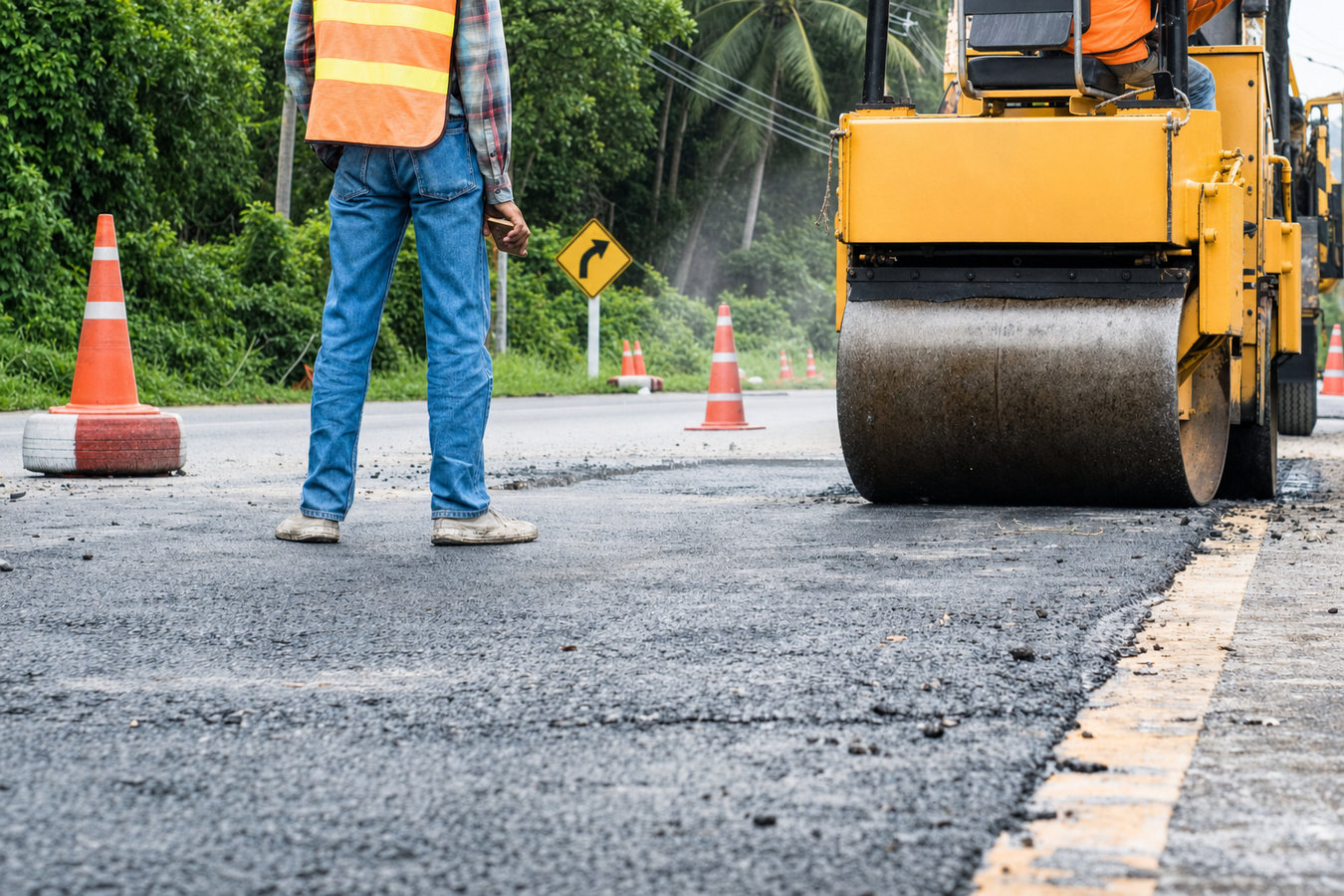
Paving over a cracked or rutted driveway traps the damage. Milling grinds out the worn layer so new asphalt bonds to a solid base and actually lasts.
Asphalt milling in Oakley means grinding down the top layer of your existing driveway or paved area using a machine with carbide teeth, removing only the worn or damaged material and leaving a clean, textured base ready for fresh asphalt - most residential driveways are fully milled in a few hours.
In Oakley, where summer heat softens asphalt and clay soils shift the base from below, driveways can deteriorate faster than homeowners expect. When cracks spread across the surface or ruts start holding water, laying a new layer on top just traps the damage - and the new asphalt fails faster than it should. Milling removes that compromised material entirely, so the fresh layer starts on solid ground.
Milling works hand in hand with asphalt resurfacing - the mill and the pave are often scheduled on the same day or within a day or two, so your driveway is not left in a rough, grooved state for longer than necessary.
When cracking spreads across a wide area rather than appearing in a spot or two, the top layer has broken down and a simple crack-fill will not hold. In Oakley, summer heat and clay soil movement work together to age surfaces faster. Milling removes that deteriorated layer entirely so the new asphalt bonds to something solid.
Puddles forming in the same spots after every rain mean the asphalt has deformed and will not drain correctly. Standing water accelerates base damage and can seep into the subgrade over time. Milling levels the surface so the new layer sheds water the way it should.
If your driveway has been paved over before, repeated layers raise the surface elevation until it creates a scraping lip at the garage threshold or an awkward bump at the street edge. Milling grinds it back down to the right grade before the new layer goes on.
That interconnected pattern of cracks resembling reptile skin means the asphalt has lost its flexibility and is failing structurally. Sealing over it delays the inevitable. Milling removes the failed material so you are not paying for a new surface that cracks again within a season.
We handle asphalt milling for residential driveways and small commercial lots throughout the Oakley area. Before the milling machine arrives, we assess the base beneath the surface - in Oakley, where clay soils shift seasonally, the subgrade can degrade even when the asphalt surface looks like the only problem. If the base has shifted badly enough to require repair, we address that before paving so you are not paying for a new surface that settles unevenly. Milling is almost always followed by fresh paving, and we coordinate both steps so your driveway is down for as short a time as possible. The old material we grind up goes to a recycling facility where it is processed back into new asphalt mix - the National Asphalt Pavement Association notes that asphalt is the most recycled material in the United States.
For projects that involve a concrete curb alongside the driveway, our crew handles the drainage and grade considerations at the same time, so the finished asphalt surface, curb edge, and water flow all work together. Having one contractor plan both sides of that transition avoids the mismatched elevations that happen when two separate crews work a job without coordinating.
Best for homeowners whose driveway has widespread cracking, ruts, or drainage problems that a simple overlay would not fix.
Suits properties where repeated overlays have raised the surface to an awkward height at the garage or street edge.
Works well for small business owners or property managers dealing with a deteriorated parking area that needs a fresh start.
Ideal for any project where milling and fresh asphalt are both needed - we coordinate both steps as one job with minimal downtime.
Oakley's eastern Contra Costa location gives driveways two problems to deal with at once. The clay soils that are common throughout this area swell when they absorb winter rain and shrink back as they dry out in summer - that movement pushes up on asphalt from below, creating cracks and surface deformation that worsen year over year. At the same time, the inland heat that pushes past 100 degrees on summer days softens the asphalt binder over time, making the surface more likely to rut and lose its shape. When those two forces have been working on your driveway for a decade or more, there is often not enough left to save with a simple seal or patch. Milling removes what heat and soil movement have broken down and gives fresh asphalt a surface it can actually bond to.
We serve Oakley and the surrounding area regularly. Homeowners in Brentwood deal with the same clay soil and heat conditions, so milling is a common recommendation there as well. We also work in Antioch, where older neighborhoods have driveways that have been paved over more than once and need the elevation corrected before another layer can go down properly.
Call or send a message describing your driveway - approximate size, visible damage, and whether it has been overlaid before. We reply within one business day and schedule a free on-site visit.
We measure the surface, assess the base condition, check equipment access, and note whether the apron area requires a city permit. You get a written proposal that covers both milling and paving so nothing is left vague.
The milling machine makes methodical passes across your driveway, grinding to a consistent depth. Old material loads directly into trucks and leaves the site. Most residential driveways are fully milled within a few hours.
Fresh asphalt follows on the same day or within a day or two. After paving, plan to stay off the surface for 24 to 48 hours. Your contractor will confirm the timeline based on conditions at the time of the job.
We will come out, take a look at the surface and the base, and give you a straight answer - no obligation.
(925) 409-3731In Oakley, the clay subgrade beneath a failing driveway can be just as compromised as the surface itself. We check the base before the milling machine arrives - if the subgrade has shifted and needs repair, we address it before new asphalt goes down. That step is why our work does not come back to crack within a year or two. You can verify our current California contractor license through the CSLB.
Poor milling leaves ridges, low spots, and uneven edges that cause the new asphalt to settle and crack unevenly. Our crew mills to a consistent depth across the entire surface with clean edges - the base you get is what the new asphalt is designed to bond to, not a patchwork that causes problems later.
A freshly milled surface is rough, grooved, and hard on tires - it should not sit that way for days while you wait for another contractor to schedule paving. We plan both steps together so your driveway is out of service for the minimum time possible and the new asphalt goes down on a freshly prepared surface.
When work touches the driveway apron at the street edge, a short-term encroachment permit may be needed from the city or Contra Costa County. We handle that paperwork when it applies - because a job done without required permits can create problems at resale or during a property inspection.
Every one of those decisions comes down to giving your new asphalt a surface it can actually bond to and hold up on. Getting the milling right is what makes the paving last.
Ensure water moves away from your property correctly - often addressed alongside a milling and repave project to prevent future base damage.
Learn MoreWhen the base is solid but the surface layer has worn out, resurfacing lays fresh asphalt for a clean, durable result.
Learn MoreSummer schedules fill quickly - reach out now and we will lock in your spot and give you a straight answer on what your driveway actually needs.